Consult your doctor before starting Arcoxia, especially if you have a history of heart or kidney problems.
Understanding Arcoxia
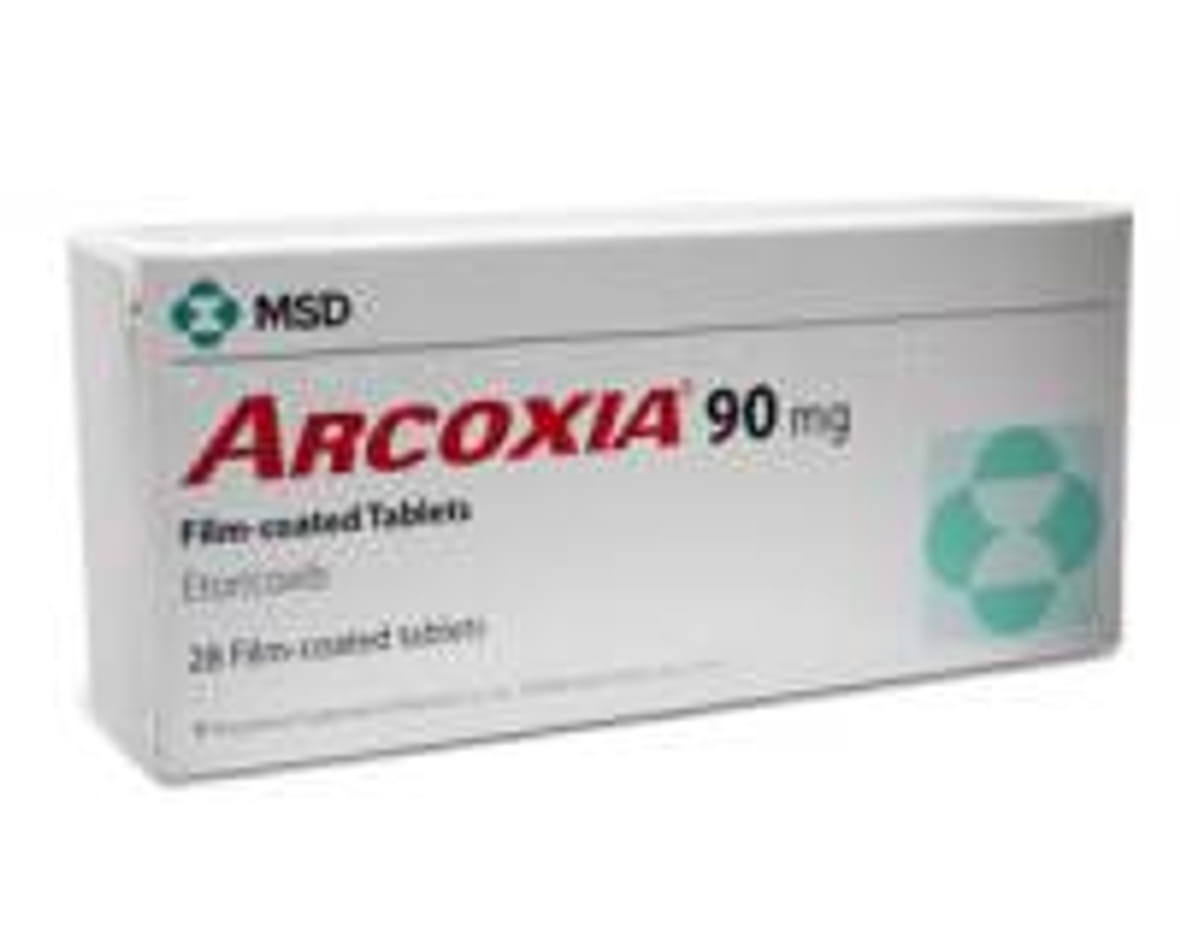
Arcoxia (etoricoxib) belongs to a class of drugs called COX-2 inhibitors. It reduces pain and inflammation, making it useful for treating osteoarthritis, rheumatoid arthritis, and acute pain. Unlike some older NSAIDs, Arcoxia selectively targets COX-2, potentially minimizing gastrointestinal side effects. However, it’s still important to monitor for potential issues.
Key Benefits
- Effective pain and inflammation relief
- Reduced risk of stomach ulcers compared to some NSAIDs
- Available in various forms (tablets)
Potential Risks
- Increased risk of cardiovascular events (heart attack, stroke) in some individuals.
- Potential kidney problems, particularly in those with pre-existing kidney issues or dehydration
- Fluid retention and high blood pressure
Dosage is crucial. Your doctor will determine the appropriate dose based on your condition and health.
Using Arcoxia Safely
Always follow your doctor’s instructions. Never exceed the recommended dose. Drink plenty of water while taking Arcoxia. Regular monitoring of your blood pressure and kidney function may be necessary, particularly if you’re at higher risk.
Important Considerations
- Inform your doctor about all medications you are taking, including over-the-counter drugs and supplements.
- Report any unusual symptoms, such as chest pain, shortness of breath, or swelling in your ankles, immediately.
- Avoid alcohol consumption while taking Arcoxia as this can increase the risk of gastrointestinal problems.
This information is not a substitute for professional medical advice. Always discuss Arcoxia use with your physician to ensure it is the right treatment for you and to manage any potential risks.
Further Information
For detailed prescribing information, consult the patient information leaflet provided with your medication or contact your pharmacist or doctor.
Interactions with Other Medications
Always inform your doctor about all medications you are taking, including over-the-counter drugs, herbal remedies, and supplements, before starting Arcoxia. This helps prevent potential interactions.
Concurrent use with anticoagulants (blood thinners) like warfarin or heparin requires close monitoring. Your doctor may need to adjust your dosage or monitor your blood clotting time more frequently.
Combining Arcoxia with other NSAIDs (nonsteroidal anti-inflammatory drugs) should be avoided. This increases the risk of side effects, particularly gastrointestinal issues. Lithium levels can rise when taken with Arcoxia, so regular blood tests might be necessary.
Methotrexate interactions warrant caution. Concurrent use may increase the risk of methotrexate toxicity. Your doctor should carefully assess your condition before prescribing both medications.
Cyclosporine and tacrolimus interactions are also significant, potentially leading to increased levels of these immunosuppressants in your blood. Careful monitoring is crucial.
Diuretics (water pills) and ACE inhibitors can sometimes reduce the effectiveness of Arcoxia, or vice versa. Your doctor might need to adjust your dosage accordingly.
If you experience any unusual symptoms while taking Arcoxia concurrently with other medications, contact your doctor immediately. Open communication is key to safe and effective medication management.